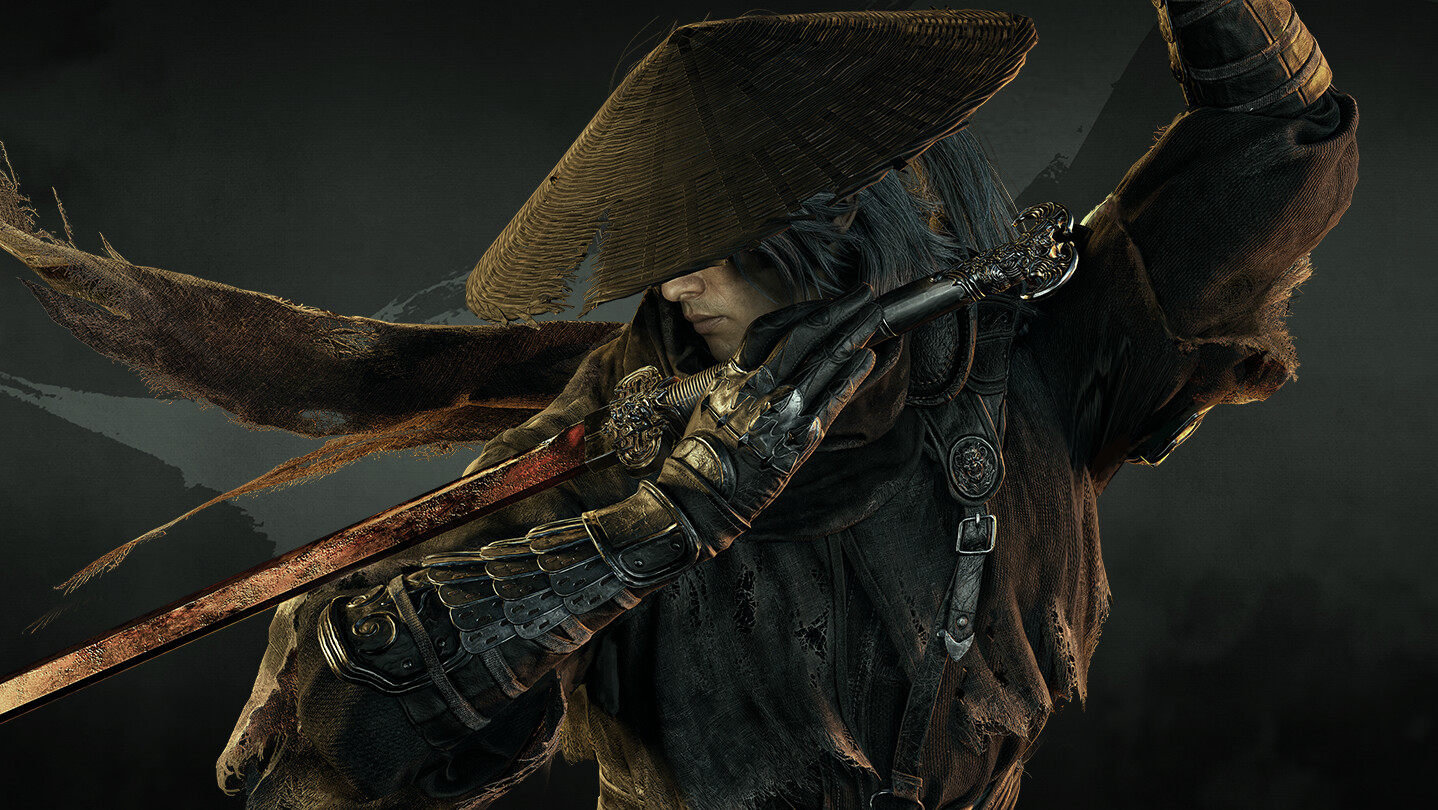
S-GAME describes a useful rule for Phantom Blade Zero: an upgraded weapon can be reforged to recover its materials. The developer also describes difficulty choices for different levels of challenge. PlayStation's current US support page records release on PS5 and PC, and separates the full game from the Digital Deluxe edition's cosmetic appearances, artbook and soundtrack. These published details support an argument about how to approach a build, even before a scored assessment of the combat.
I would treat a first weapon choice as provisional. A system that returns upgrade materials removes one reason to keep using equipment you no longer enjoy. Players can otherwise become attached to an investment for an unhelpful reason: changing it appears to waste resources already earned. Reforging gives that decision a route back. It invites a question with a practical answer: what do you want the next weapon to let you do?
Separate the material cost from the learning cost. Recovering an upgrade does not give you familiarity with a new move set. You may understand the old weapon's reach, recovery and rhythm well enough to avoid mistakes that return when you switch. That temporary discomfort can make a replacement look weaker during the first few attempts. It is worth allowing some learning time before concluding that recovering materials has simply moved you backwards.
Start a comparison with a familiar encounter. Pick a situation whose opening you can recognise, then identify the decision that is causing trouble. Perhaps you attack too early, struggle to stay within reach or repeatedly commit when you need room to react. Those are different problems. A useful comparison asks whether the alternative changes the troublesome decision. A larger damage figure on its own cannot explain why an attempt felt easier to control.
Keep the surrounding conditions steady. Record the difficulty setting and the other equipment or upgrades you changed. If you replace a weapon, adjust several attributes and choose another challenge setting at once, the next result has several possible explanations. A short note is enough: the encounter, the equipment and the change you intended to examine. This is a suggested comparison method, not a claim about results from a GameScope playthrough.
Give the new equipment a specific job. An illustrative goal could be landing one deliberate attack and returning to a position where you can respond. Another could be finding a reliable answer to an opening you already recognise. A successful attempt at that job tells you something about control. Repeatedly pursuing a perfect sequence while learning every other part of the encounter can hide the smaller improvement you were looking for.
Write down failed decisions as well as successful hits. There is a useful difference between choosing the wrong response, recognising an opening too late and trying to act before the previous commitment has ended. Those observations can guide the next comparison without turning every failure into a judgement about the weapon. They also make it easier to explain a preference to another player who has a different tolerance for risk or a different way of reading an encounter.
Do not assume every difference should be resolved by upgrading further. If the action you dislike is part of the equipment's basic feel, a larger investment may leave the same problem in place. Material recovery creates an opportunity to reconsider that fit. My preference would be to use it deliberately, with one reason for switching, instead of cycling through the arsenal after every difficult attempt and losing track of what each experiment taught you.
The announcement alone leaves some details open. Before relying on reforging in a long progression plan, read the current in-game explanation of what is returned and any conditions that apply. A broad developer description does not settle every edge case. Confirming the actual rules is a small task that can prevent an experiment from depending on an assumption about a resource, an item or an unlock that the announcement did not specify.
Difficulty choice deserves the same deliberate approach. Choose a setting that lets you recognise enemy behaviour and understand the result of your decisions. You can pursue a tougher execution challenge after that if it is what you want from the game. Someone interested in exploring the setting may make a different choice. Neither preference needs to borrow another player's target before the basic actions have become readable.
For an equipment comparison, avoid changing difficulty halfway through the observation. For enjoyment, change it when the present setting is preventing the experience you came for. These are two separate uses of the option. Keeping a setting steady makes a comparison clearer; adjusting it can make a session suit your needs. There is no reason to turn a method for gathering evidence into a rule that dictates how everyone must play.
The purchasing decision sits outside that equipment loop. The support page identifies the base game and the deluxe extras, so evaluate them separately. Art, music and cosmetic appearances can be worthwhile for a collector who wants those things. They cannot answer a prospective player's questions about input responsiveness, performance on a particular machine or the quality of an encounter. Seek coverage that names its platform, build and testing conditions for those questions.
My position is that refundable investment is a promising reason to explore a combat system. Its payoff comes from making considered changes possible, not from demonstrating how many weapons a menu can contain. Use a recoverable upgrade to pursue a preference you can describe: a response you understand, a commitment you can manage or an approach you want to practise. That is a clear purpose for experimentation, with room to change your mind.
Checked Nov 4, 2026

Mara Vale
Examines progression, player choices and the routines behind RPGs and simulation games.
More by Mara Vale